
Transformer Windings

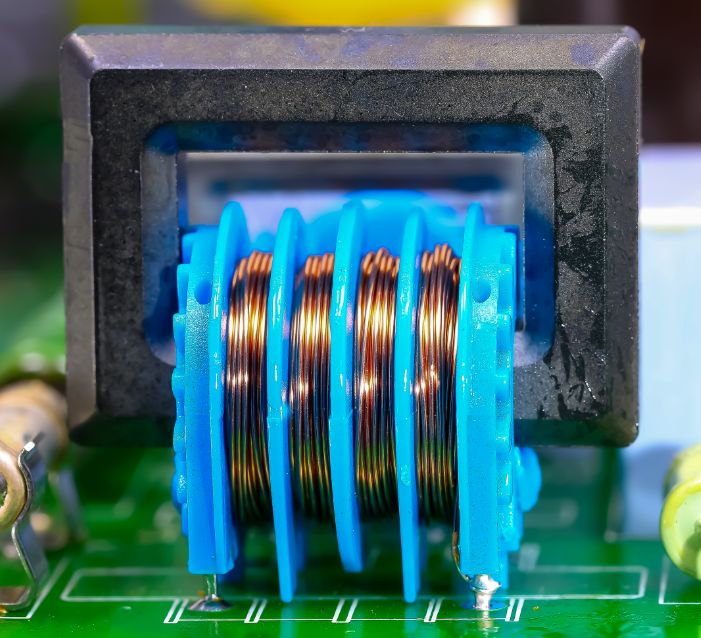
Transformer windings are the backbone of how transformers function. With careful arrangements of coiled conductive wire around a magnetic core, transformers can have various voltage and current levels to meet the demands of specific electrical applications. The way these windings are designed and configured directly impacts the transformer’s efficiency, performance, and reliability.

Not every transformer is the same, and so there are multiple transformer winding types to accommodate different needs. Understanding these configuration options is essential for selecting the right transformer for your application.

Learn more about transformer windings, the different configurations available, and how Triad Magnetics can help you choose the right one for your application.
What Are Transformer Windings?

What Are Transformer Windings?

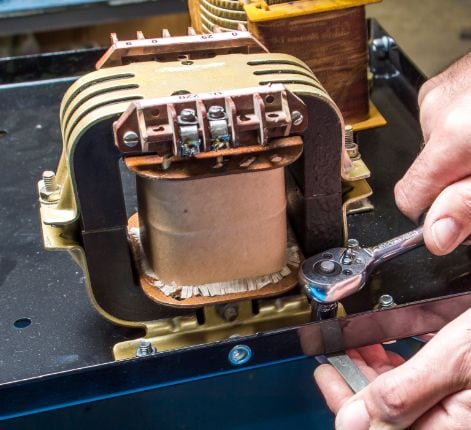
Transformers contain at least two windings: the primary winding and the secondary winding. The primary winding is the coil that draws power directly from the source. The secondary winding delivers the energy to the load.

When voltage is applied to the primary winding, alternating current flows, creating a magnetic field in the transformer core. As this magnetic field cuts across the secondary winding, it induces an alternating voltage.

With so many winding types available, it’s crucial to understand how to select the right one based on factors like voltage, current, frequency, and efficiency requirements.

Transformer Winding Design Considerations

Several factors influence the proper design of transformer windings. Each decision, starting with the choice of conductor material to the physical arrangement of the coils, affects performance, efficiency, size, and long-term durability. A well-designed winding configuration balances electrical requirements with mechanical strength, thermal stability, and cost-effectiveness.

Designers also need to consider factors like insulation, cooling, and the ability to withstand electrical stresses during operation, especially under fault or short-circuit conditions. The windings’ geometry and placement play a significant role in minimizing losses and ensuring consistent magnetic coupling. Engineers need to carefully optimize these variables so they can produce transformers that meet electrical specifications and deliver reliability and longevity in demanding applications.

  • 1. Conductor Materials

    1 Conductor Materials

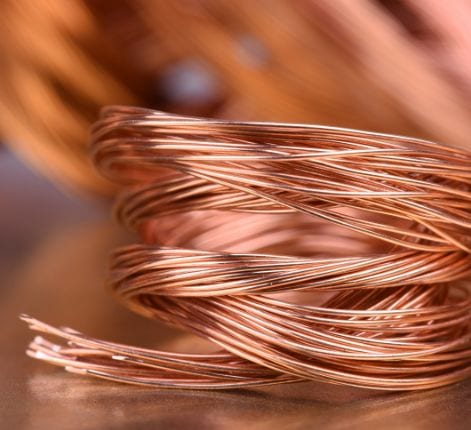
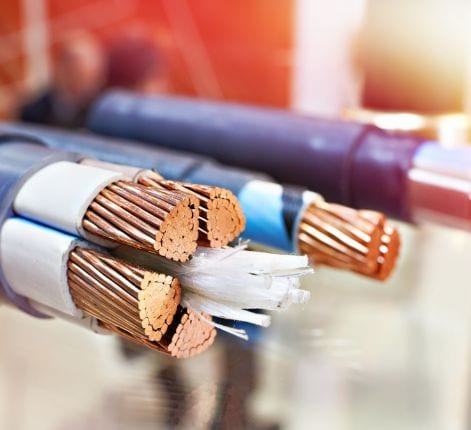
    • Copper and aluminum are the two most common conductor materials for transformer windings:

      • Copper is preferred for its higher mechanical strength and lower resistivity. It enables compact designs and excellent conductivity, making it the dominant choice in most applications.
      • Aluminum is lighter and more cost-effective but requires a larger cross-section to carry the same current as copper. It is generally reserved for larger transformers where the benefits of weight and cost outweigh any potential performance trade-offs.
    Conductor Materials
  • 2. Conductor Shape

    2 Conductor Shape

    • The geometry of the conductor also plays a significant role:

      • Litz wire. Made from individually insulated strands twisted together, litz wire reduces skin and proximity effects, making it ideal for high-frequency applications.
      • Round wire. Round wire is the most common conductor shape.
      • Rectangular wire. Flat or rectangular wire offers greater surface area in limited spaces, beneficial for high-current applications.
      • Square wire. This type of wire provides denser, more uniform packing compared to round or rectangular wire in certain winding arrangements.
    Conductor Shape
  • 3. Positioning of HV and LV Windings

    3 Positioning of HV and LV Windings

    • How high-voltage (HV) and low-voltage (LV) windings are positioned relative to the core will impact insulation requirements. For example, if HV windings are placed next to the core, they must be insulated from both the core and the LV winding, requiring additional insulation layers. Placing the LV winding closer to the core and surrounding it with the HV winding reduces the need for excessive HV insulation, simplifying the design and lowering costs.

    Positioning of HV and LV Windings
  • 4. Transformer Winding Assembly

    4 Transformer Winding Assembly

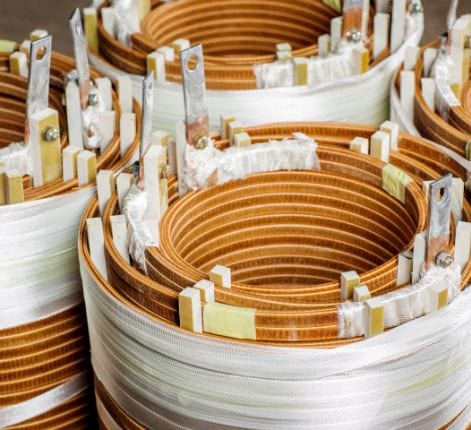
    • Winding coils are typically wound onto forms, assembled with the core, dipped in insulating varnish, and baked into a rigid mass. Small transformers often use rectangular concentric coils, which are economical and practical. In contrast, large transformers may require cylindrical concentric coils, which provide the necessary mechanical strength to withstand short-circuit conditions over the long term.

    Transformer Winding Assembly

Triad Magnetics is a trusted source for standard and custom magnetics solutions worldwide. To learn more about why you should partner with Triad Magnetics

Contact us today

Types of Transformer Windings

Over time, engineers have developed many winding configurations. These are each designed to solve a particular performance or application challenge. The type of winding used in a transformer influences everything from insulation requirements to size, cost, and energy efficiency. Some winding types prioritize compact design for high-frequency circuits, while others focus on handling extremely high current loads or reducing leakage flux.

By understanding the differences between these winding types, engineers can match the right configuration to the application, whether it’s a toroidal winding that minimizes interference or a helical winding capable of handling high-capacity loads. Each configuration offers distinct advantages, so winding selection is one of the most critical design decisions in transformer engineering.

Autotransformer Windings

An autotransformer uses a single winding for both primary and secondary sides. It is compact, cost-effective, and capable of delivering variable output voltages. However, because there is no galvanic isolation between input and output, its use is limited to applications that don’t require isolation.

Bi-Filar Windings

Bifilar windings in a transformer involve winding two wires simultaneously and closely together, often in parallel, so they share the same magnetic path. This configuration is primarily used to reduce leakage inductance and improve coupling between windings, which enhances high-frequency performance and minimizes parasitic effects. It’s especially useful in applications like pulse transformers and RF circuits where precise signal transmission is critical.

Multi-Tapped Windings

These windings feature multiple inputs (primary winding) with multiple outputs (secondary windings), allowing one AC input to power several circuits simultaneously. Multi-tapped designs are common in power supplies that need multiple voltage levels. The direction of the windings determines the polarity of each output.

Side-by-Side Windings

The primary and secondary windings are separated from each other, sometimes wound on separate coil forms. This separation provides better isolation and the transformers can be manufactured more efficiently using different machines for the primary and secondary windings.

Concentric Windings

In concentric windings, the primary and secondary coils are wound cylindrically around a shared core. This configuration is common in core-type transformers and offers an efficient use of space and reliable performance.

Sandwiched Windings

Sandwiched (sometimes referred to as “pancake”) windings alternate HV and LV coils along the core’s leg. Each layer is insulated with paper or plastic sheets, creating strong insulation and improved mechanical stability. These designs are particularly common in shell-type transformers.

Helical Windings

Helical or spiral windings are designed for low-voltage, high-capacity transformers where high current must be managed. They come in the following three forms:

  • Single helical. One layer of turns is wound axially in a screw-like pattern.
  • Double helical. Two parallel helices are wound together, reducing eddy current losses.
  • Disc-helical. Multiple conductors are arranged radially to distribute current evenly.

Printed/Planar Magnetics Windings

Planar transformers use copper foils embedded in printed circuit boards (PCBs) or lead frames as their windings. This flat structure enables very compact designs with high efficiency, making them ideal for high-frequency power electronics such as switch-mode power supplies.

Toroidal Windings

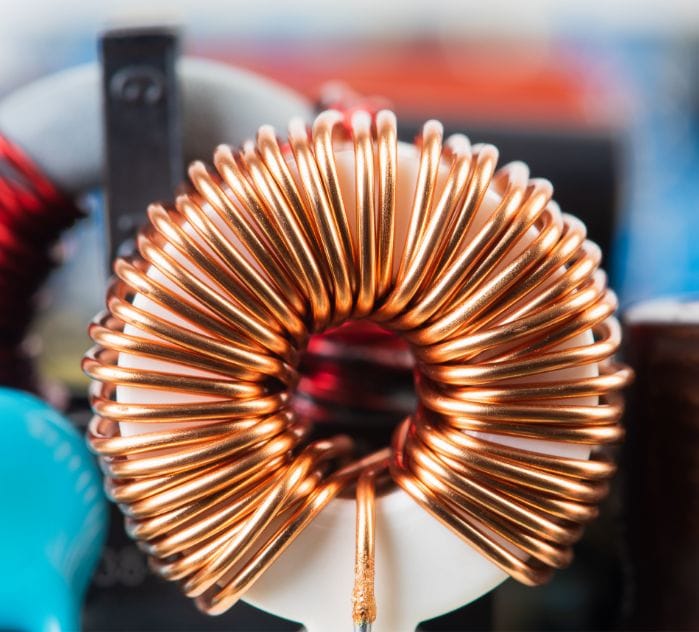
Toroidal transformers have a donut-shaped core with windings wrapped around its entire surface. This configuration reduces flux leakage, minimizes electromagnetic interference, and achieves high efficiency in a compact footprint. These windings are widely used in sensitive electronics and audio equipment.

Contact Triad Magnetics for Engineering Support

Transformer windings are critical design elements that determine how transformers perform under specific conditions. From compact planar windings in high-frequency electronics to robust helical coils in high-power systems, each configuration brings unique advantages.

Triad Magnetics has decades of experience designing and manufacturing transformers across all major winding types. With over 1,000 standard part numbers, our engineering team can help you select or customize a winding configuration tailored to your application.

Contact us today to learn more about transformer winding types, or request a quote for specific pricing details.

Over 80 Years Experience

OVER 80 YEARS
EXPERIENCE

Quality

QUALITY

Excellent Service & Delivery

EXCELLENT
SERVICE & DELIVERY

Triad Magnetics Custom Manufactures Transformers and Inductors, as well as High Frequency Magnetics and Power Supplies

Learn More About

Have questions, need help?

Get In Touch With Our Team X