



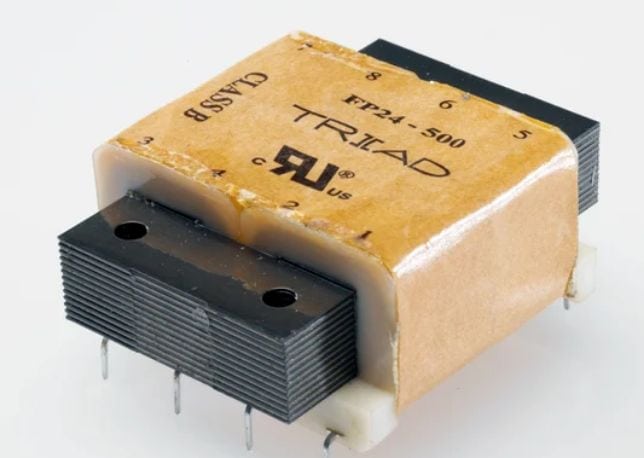
A transformer consists of a core (made of a ferromagnetic material), insulation material, and primary and secondary coil windings. The insulation material in a transformer must be reliable and durable to prevent failures, enhance energy efficiency, and ensure electrical safety. By resisting electrical, mechanical, thermal, and chemical stresses, quality insulation can help transformers meet challenging performance requirements over a long service life.
Transformer insulation systems are categorized by classes according to their maximum possible operating temperature limit. These classes define the insulation material’s ability to withstand heat without degrading and its thermal endurance capabilities. The UL 1446 recognized insulation systems are identified by the following letters:
- Class A: Maximum operating temperature of 105 ºC
- Class E: Maximum operating temperature of 120 ºC
- Class B: Maximum operating temperature of 130 ºC
- Class F: Maximum operating temperature of 155 ºC
- Class H: Maximum operating temperature of 180 ºC
- Class C: Maximum operating temperature of 220 ºC
At Triad Magnetics, our experienced engineering team utilizes the most advanced materials to design electrical systems that are cost-effective, safe, and long-lasting. On this page, you’ll learn more about the types of transformer insulation materials and methods to help you select the right one for your application.
Modern Insulation Material Types
-
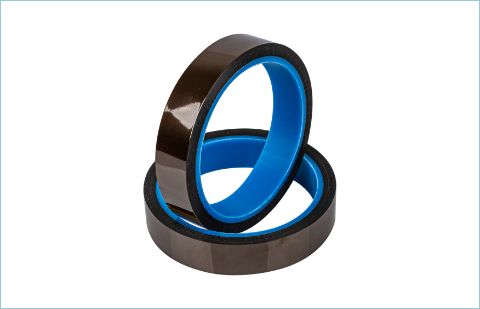
1. Kapton® (Polyimide) Tape
1. Kapton® (Polyimide) Tape
-
2. Teflon® (PTFE) Tape
2. Teflon® (PTFE) Tape

-
3. Nomex® Aramid Paper Tapes
3. Nomex® Aramid Paper Tapes

-
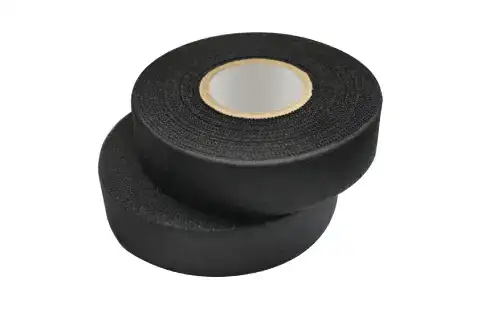
4. Glass Cloth Tapes
4. Glass Cloth Tapes
-
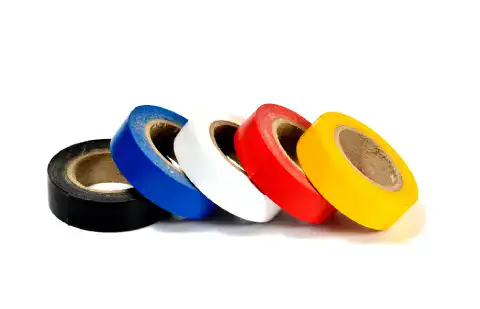
5. Polyester (Mylar®) Film Tape
5. Polyester (Mylar®) Film Tape
Key Differences: Kapton vs. Teflon (PTFE)

Kapton adheres better to metals and plastics, making it ideal for securing components.

Kapton is more conformable to complex shapes. Teflon is more rigid but offers superior non-stick properties.

Kapton is preferred for electronics and high-temperature masking.
Teflon is ideal for chemical resistance and release/lubricating applications.

Kapton → Transformer winding
Teflon (reinforced) → Specialized insulation requiring slip/release properties
Transformer Tape Applications
These tapes are critical for:
- Layer insulation (separating wire layers)
- Lead anchoring
- Coil wrapping/banding
- High-temperature protection during varnish impregnation and operation

Performance Characteristics

Thermal Class
Many materials rated Class H(180°C) or higher

Chemical/Moisture Resistance
Especially strong with PTFE
Flame Retardancy
Kapton often carries UL-94 V-0 ratingKey Transformer Bobbin Materials
- Thermoplastics: Widely used, cost-effective materials. Often glass-reinforced to improve strength and heat resistance.
- Nylon (PA66): Offers good toughness and temperature resistance (approximately 115°C–260°C when reinforced).
- PBT (Polybutylene Terephthalate): Known for strong electrical insulation properties and reliable heat resistance.
- PET (Polyethylene Terephthalate): High strength and rigidity with good resistance to deformation.
- Polycarbonate: Used where specific insulation and impact-resistance properties are required
Varnishing Impregnation for Transformer Insulation
Applying a liquid varnish, known as varnishing impregnation, helps to fill existing internal voids in the transformer itself. As the liquid resin hardens, it forms a protective film that enhances the insulation properties of the transformer components, offering the following benefits:
-

Thermosetting resins, such as phenolics or epoxies, are types of impregnating resins and insulating varnishes that ensure transformers—as well as generators, motors, sensors, and other electrical devices that function by electromagnetic induction—have the required structural integrity and electrical insulation for operation.
When applied, these resin materials crosslink, making them inherently durable, strong, and environmentally stable. Also called functional insulation or wire enamel, the insulating varnish prevents electrical shorting in transformer coil windings.
The completed transformer consists of insulating paper and an assembly of coil windings sealed with a thermosetting resin to protect against environmental factors like dust and moisture. This protection enhances strength and prevents air from entering the transformer, as air can conduct heat and electricity.
Types of Varnishes
-
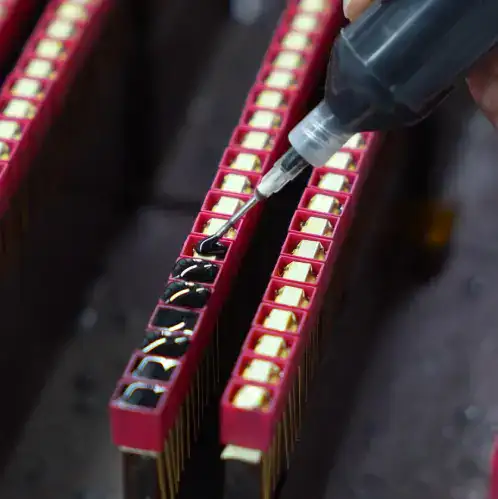
Potting Varnish
Potting Varnish
-
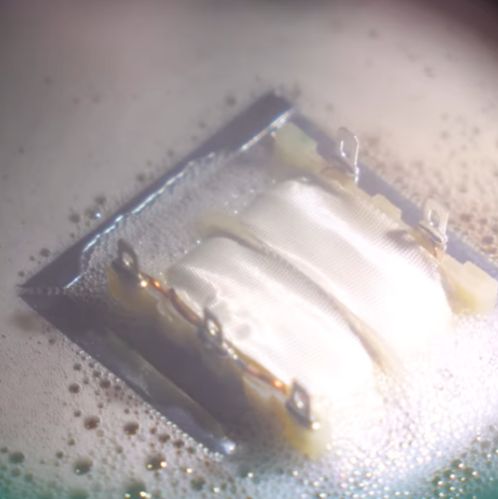
Vacuum Varnish
Vacuum Varnish
Contact Triad Magnetics for Quality Transformers
Triad Magnetics is a trusted source for standard and custom magnetic solutions. With thousands of standard designs, custom capabilities, and global distribution, we are committed to delivering the magnetic products you need for your specific application. Our transformers feature UL-recognized insulation systems for different classes and temperature ranges.
Contact us to learn more about insulation materials in transformers and how they impact device performance and longevity. You can also request a quote to get started on your project.

OVER 80 YEARS
EXPERIENCE

QUALITY
